
A roof in Marco Island faces more than one source of wear. Strong sun, heavy rain, wind, humidity, and salt air can affect roofing materials over time.
That is why roof repair Marco Island FL homeowners may need can look different from repairs in other areas. A small leak may point to damaged flashing, worn seals, trapped moisture, or storm damage.
This guide explains the problems to watch for, when repairs may be enough, and how to choose a local roofing professional.
Common Marco Island roof issues include leaks, wind damage, worn materials, moisture, algae, damaged flashing, and coastal exposure.
Check for stains, lifted materials, missing pieces, ponding water, and loose roof details.
Do not climb onto an unsafe roof. Arrange a professional inspection when damage is unclear or keeps returning.
What Are Common Roof Problems in Marco Island?
Climate conditions can influence the aging process of a roof. National Weather Service collects climate data about warm conditions, humidity, rainfall, and thunderstorms on Marco Island.
Climate conditions may affect roofs differently. Other factors include roof age, materials used in construction, roofing system installation, and drainage system.
Roof Leaks
Roof leaks may start around flashing, vents, skylights, valleys, pipe boots, or damaged roof coverings. Water can enter through a small opening and travel before appearing inside.
Watch for:
- Brown ceiling stains.
- Damp attic insulation.
- Peeling paint.
- Musty smells.
- Dripping after rain.
- Soft drywall.
- Water near light fixtures.
A leak does not always mean the whole roof needs replacement. A professional should find the entry point before anyone applies a quick patch.
The Environmental Protection Agency advises fixing roof leaks and drying wet materials quickly to help control moisture and mold.
Wind and Storm Damage
Wind can lift shingles, shift tiles, loosen flashing, and damage roof edges. Heavy rain can then enter through exposed areas.
After a storm, look from the ground for missing or uneven materials. Check the yard for roofing pieces. Inside, look for new stains or damp areas.
Do not walk on the roof after severe weather. Storm damage may create weak surfaces that are not safe to cross.
Sun and Heat Damage
Prolonged exposure to sunlight can make some roofing materials become dried up, faded, cracked, or even deteriorated. The heat may also affect sealants and any exposed flashings.
Some possible symptoms include brittle shingles, cracks on the roof surface, open seals, and worn-out roof coating. These symptoms do not necessarily indicate how much the roof is damaged underneath.
Consult a roofing expert about the overall state of the roof. Some local damages may require repair, while extensive damage may be dealt with through a more comprehensive plan.
Moisture, Algae, and Organic Growth
Humid conditions can support algae or other organic growth on some roof surfaces. Dark streaks may affect appearance, but growth can also point to moisture that needs attention.
The growth of moss on the roof can be retaining moisture around the roofing material. Scrape off the moss or any other plant growth from the roof carefully or consult a professional before doing so. The contractor can decide if the problem is related to water, cosmetic or anything else.
Salt-Air and Coastal Exposure
The coastal location of Marco Island will expose metal parts to salty air which may cause corrosion after a period of time.
Inspect metal flashings, fasteners, vents, gutters, and edges for signs of rusting or damage on the surface. Corrosion does not necessarily mean that something is going to fail right away, but it needs to be inspected nonetheless.
An inspection will help detect the problem early on before any moisture comes through the roof’s edges.
Damaged Flashing and Seals
Flashing directs water away from joints and changes in the roof surface. Seals help close gaps around pipes, vents, skylights, and other openings.
Look for:
- Lifted flashing.
- Open seams.
- Cracked sealant.
- Rusted metal.
- Gaps near vents.
- Water stains below roof openings.
Poor flashing can cause a leak even when the main roof covering looks sound.
Do You Know? A roof leak may appear far from its entry point. Water can move along decking, insulation, framing, or other building materials before it reaches a ceiling.
When Is Repair Enough?
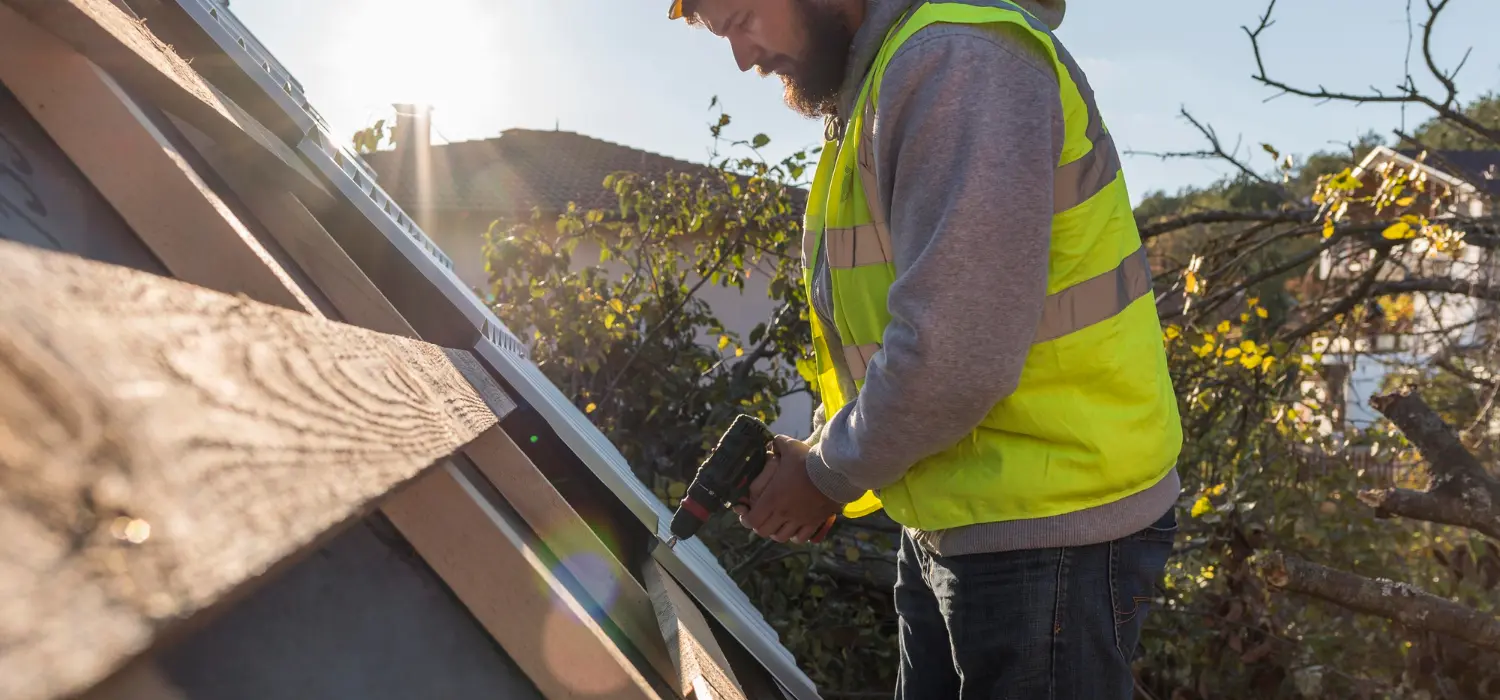
A repair may be enough when the damage is small and limited. Examples include one damaged flashing section, a minor seal failure, or a small group of broken roofing components.
A professional may suggest repair when:
- The leak has one clear source.
- The surrounding material remains sound.
- Damage affects a small area.
- No widespread moisture is present.
- Previous repairs have worked well.
A broader inspection may be needed when leaks return, damage covers several areas, or the roof material shows heavy wear.
When Should You Consider Replacement?
Replacement may be considered when the roof has widespread damage or many recurring problems. An aging roof with failed materials may also need a larger solution.
Factors that can affect the decision include:
- Roof age.
- Roofing material.
- Number of leaks.
- Storm damage.
- Hidden moisture.
- Previous repairs.
- Material availability.
- Condition of the roof deck.
- Drainage problems.
Do not assume you need a new roof from one leak. Ask the contractor to explain the cause, repair options, and expected service life of each option.
What Should You Do After Roof Damage?
Follow these steps after discovering damage:
- Check the area from a safe location.
- Take photos of visible damage.
- Place containers under active interior drips.
- Move belongings away from water.
- Protect openings only when safe.
- Arrange a roof inspection.
- Record repair costs and receipts.
- Contact your insurer if the damage may be covered.
- Get a written repair estimate.
- Review the work scope before repairs begin.
Do not touch exposed wiring or enter areas with sagging ceilings. Call a qualified professional when the property presents a safety risk.
Quick Tip
Photograph the full room before taking close images. This helps show where the damage is located.
How Do You Choose a Roofing Contractor in Marco Island?
People searching for local roofing contractors near me should compare more than price. Look for a contractor who explains the damage and provides written details.
Check for:
- Experience with your roof material.
- A clear local service area.
- Required licenses or registrations.
- Current insurance coverage.
- A written estimate.
- A detailed work scope.
- Warranty information.
- References or legitimate reviews.
- Clear communication.
- Storm-damage inspection experience.
Florida roofing requirements can depend on the work, property, and current code. The Florida Building Commission publishes the state building code and roofing resources.
Ask who will obtain permits when they are needed. Also ask whether the contractor uses subcontractors and who will supervise the work.
Before You Hire
Ask the contractor to explain what caused the problem. Then ask which repairs are urgent, which are optional, and what the estimate does not include.
What Should a Roof Estimate Include?
A useful estimate should describe the work in plain language. It may include:
- Material removal.
- Replacement materials.
- Flashing work.
- Decking repairs.
- Vent or pipe repairs.
- Permit costs, when needed.
- Payment schedule.
- Warranty terms.
Avoid signing a vague estimate that only says “repair roof.” A detailed scope helps prevent confusion later.
How Can Florida Roof Specialists Help?
Florida roof specialists could assist in the inspection of damaged roofs, the detection of leak sources and solutions for repairs. Make sure to check what services, insurance, licensing and terms are offered before choosing a company.
Title does not guarantee anything. Ask for an inspection process and written estimate. In case of any possible insurance claim, make sure to keep records of all documents related to the matter.
How Often Should a Marco Island Roof Be Inspected?
Inspection timing will be contingent on the age, type of roofing material, condition, and past weather conditions. It is important to schedule an inspection following a heavy storm or if there have been leaks, loose materials, and staining on the interior surfaces.
Periodic inspections will also be helpful for identifying any drainage problems, damage to flashing and broken seals.
Conclusion
Roof problems in Marco Island can involve water, wind, sun, humidity, salt air, and aging materials. Look for stains, lifted materials, damaged flashing, corrosion, algae, and drainage concerns.
Do not climb onto an unsafe roof. Document the damage, arrange an inspection, and review a written repair plan before work begins. For roof repair, a clear diagnosis is the first step toward the right solution.